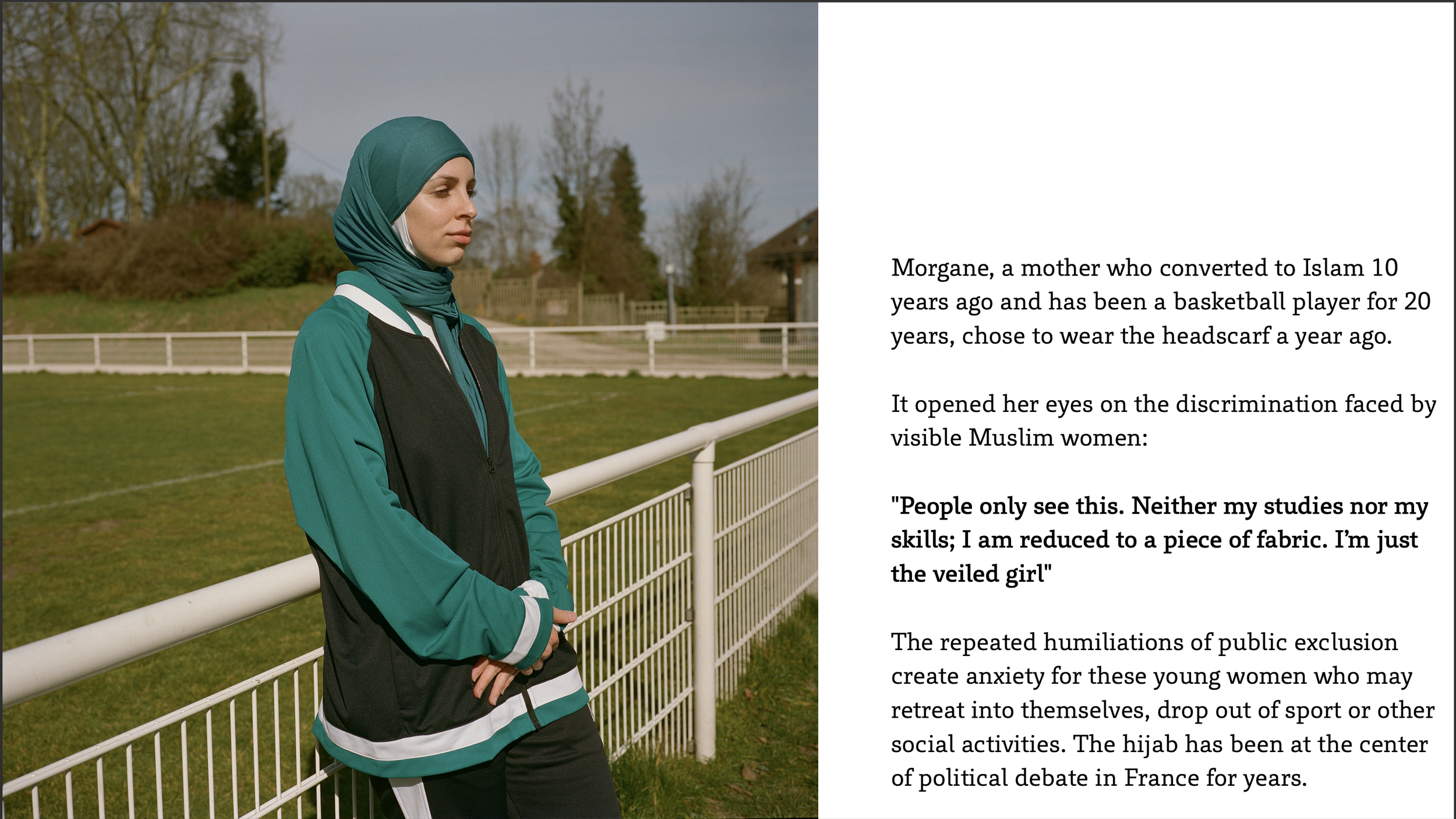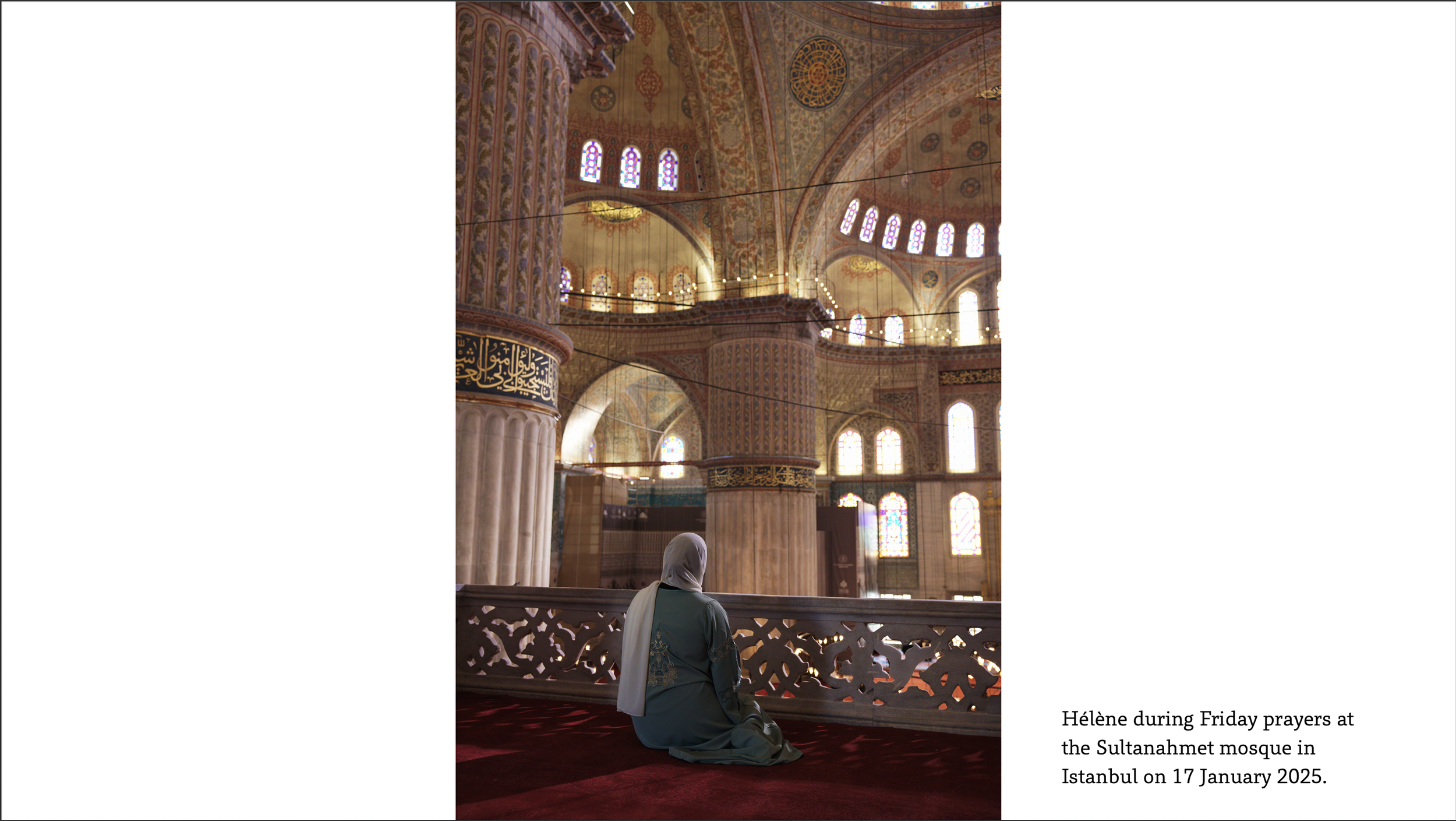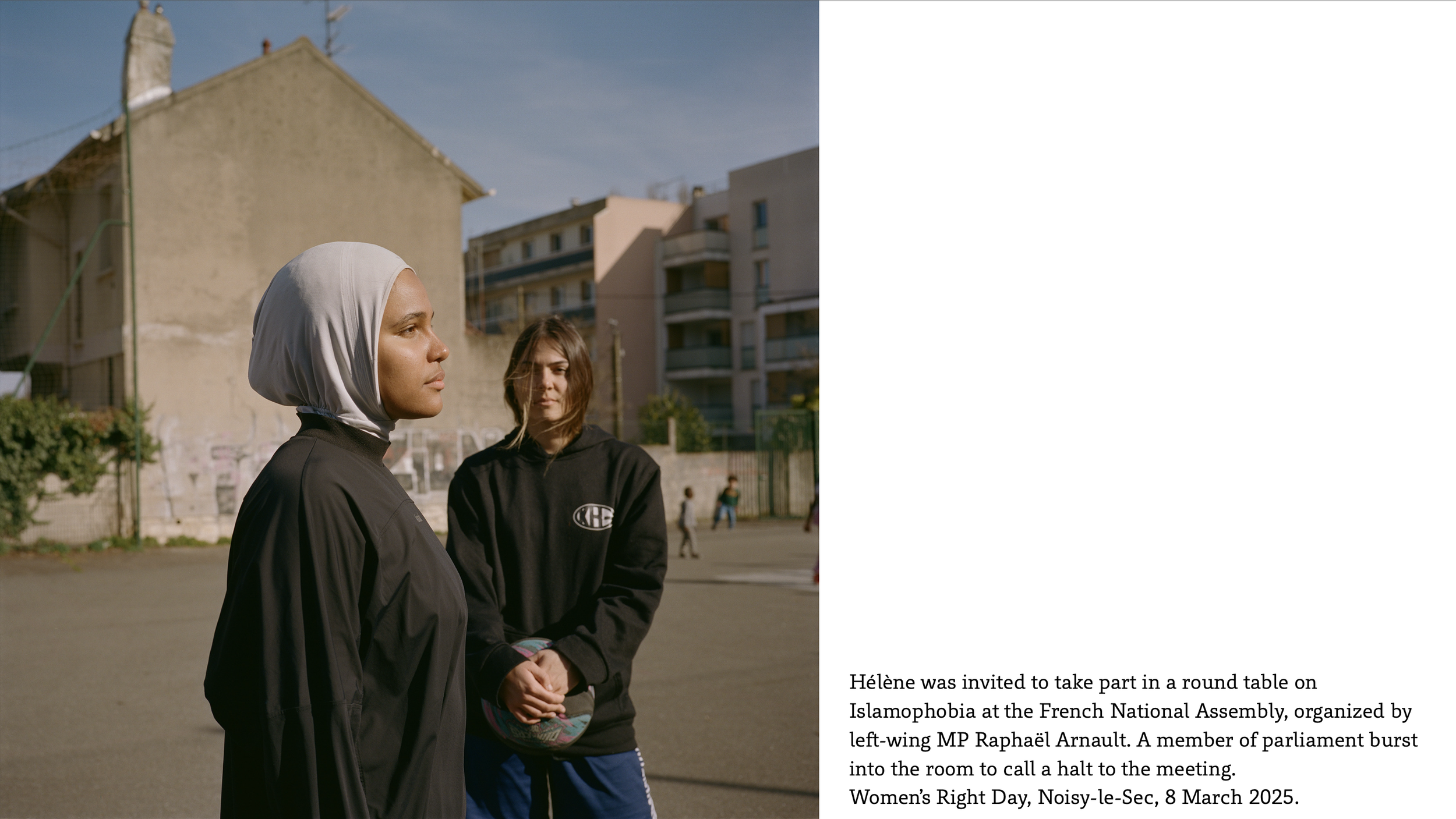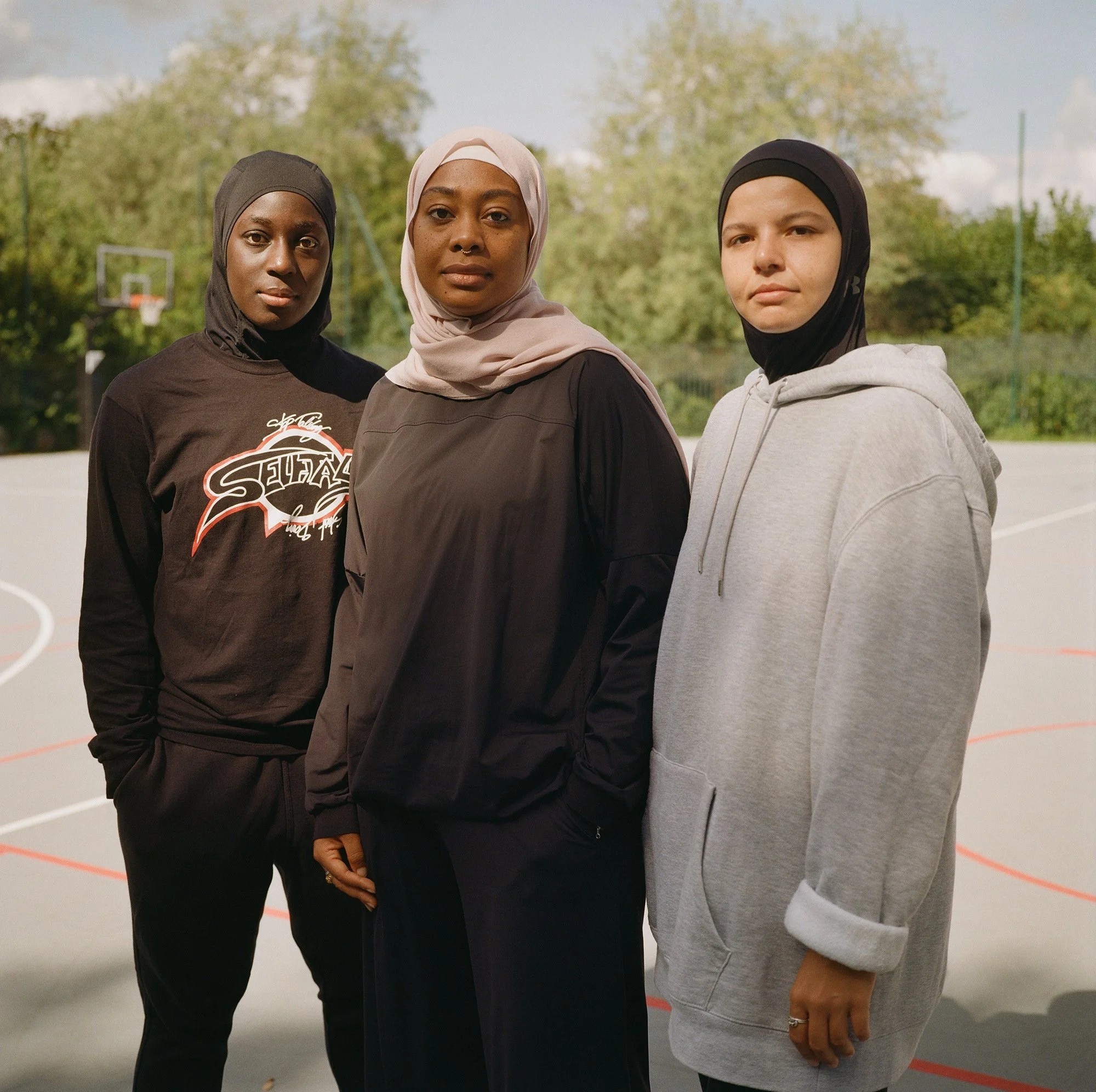
Set in France, Sisterhood responds to the 2022 hijab ban in basketball and the wider exclusion of visibly Muslim women from sport. Against a backdrop of rising Islamophobia and far-right politics, Sisterhood documents the resilience of those affected and the activism of collectives like Basket Pour Toutes. Through portraits and advocacy, the series challenges policies that silence and marginalize under the guise of secularism, affirming that the right to play - and to choose how to exist - is fundamental to gender justice.
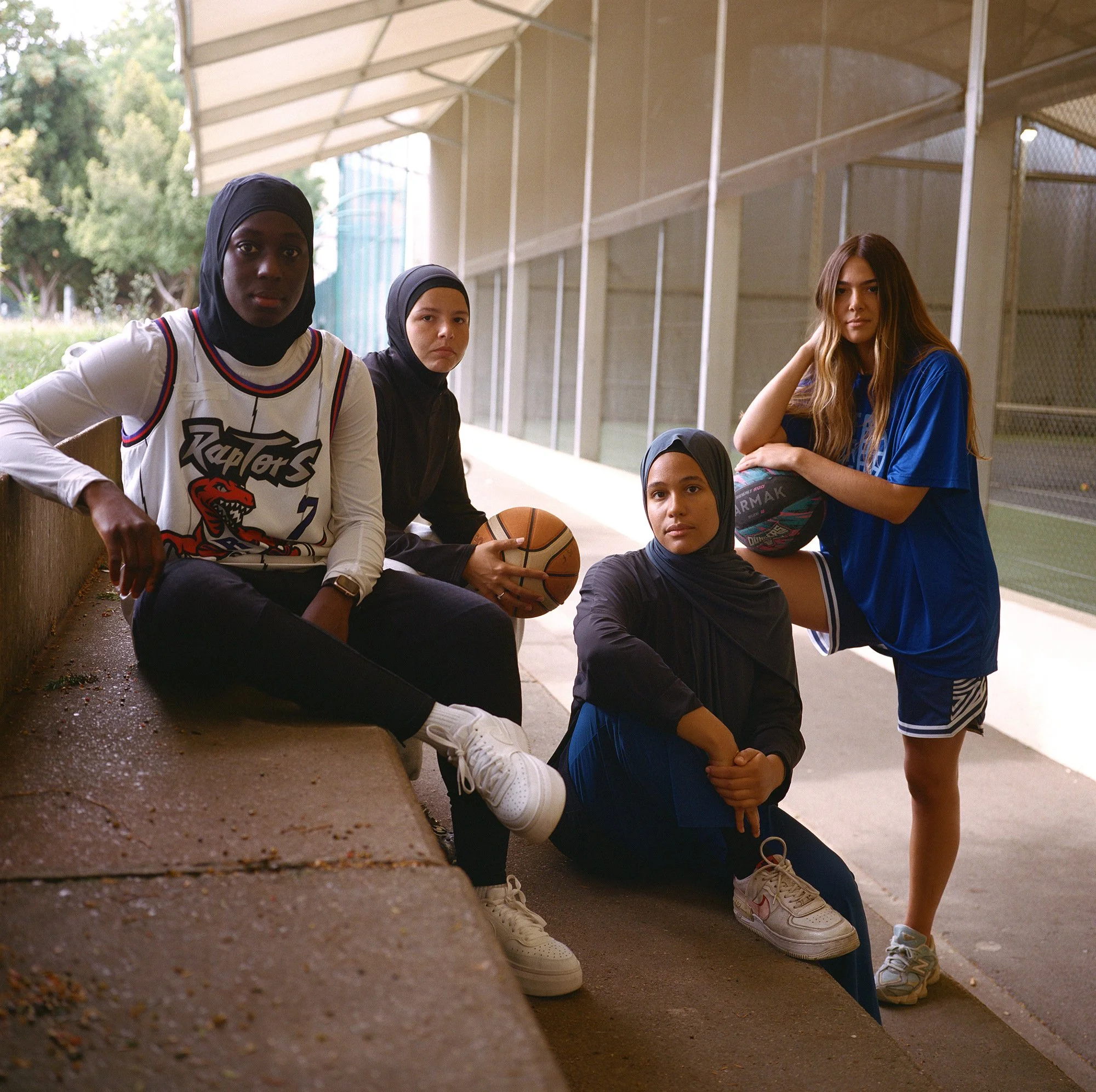
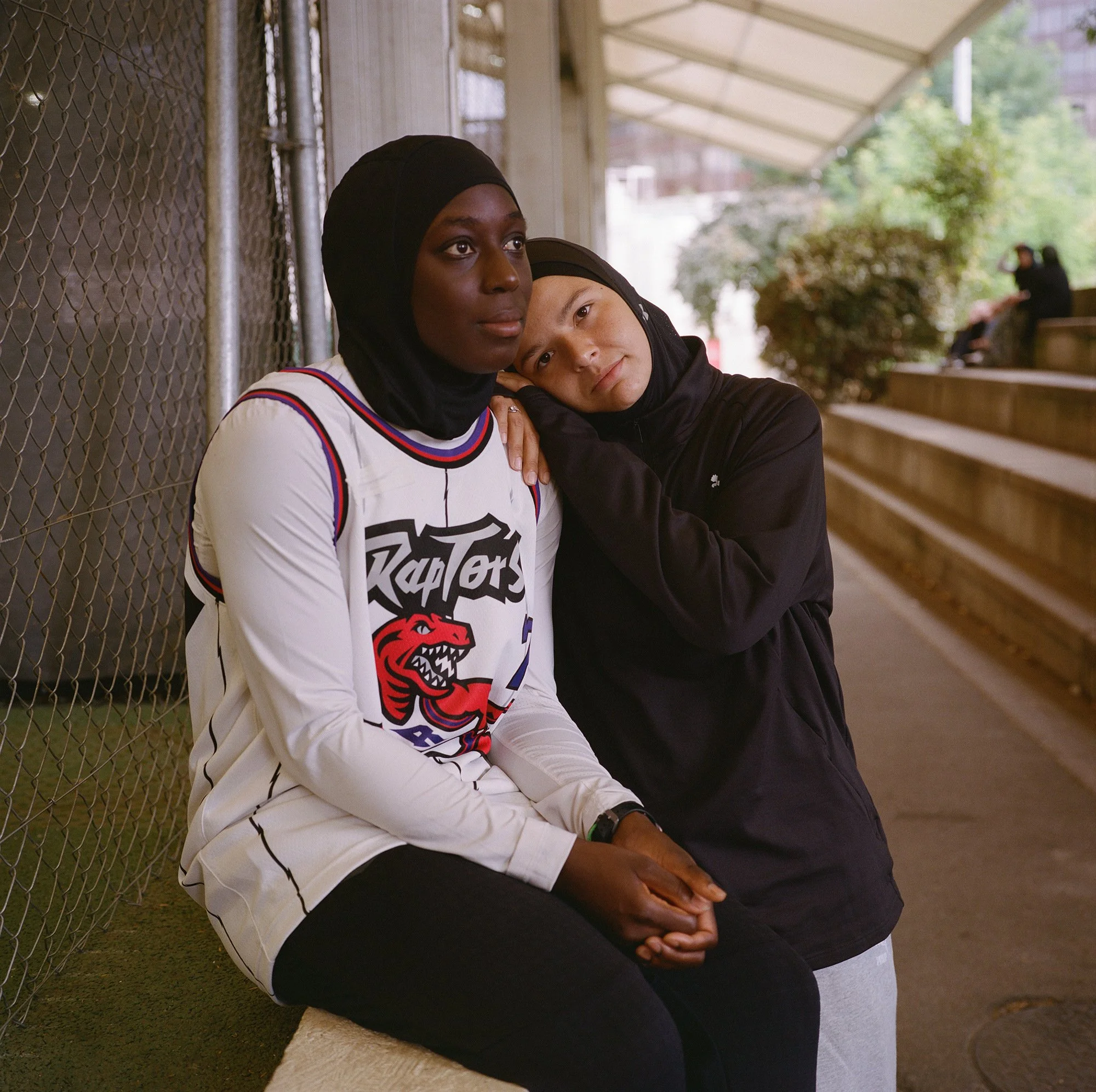
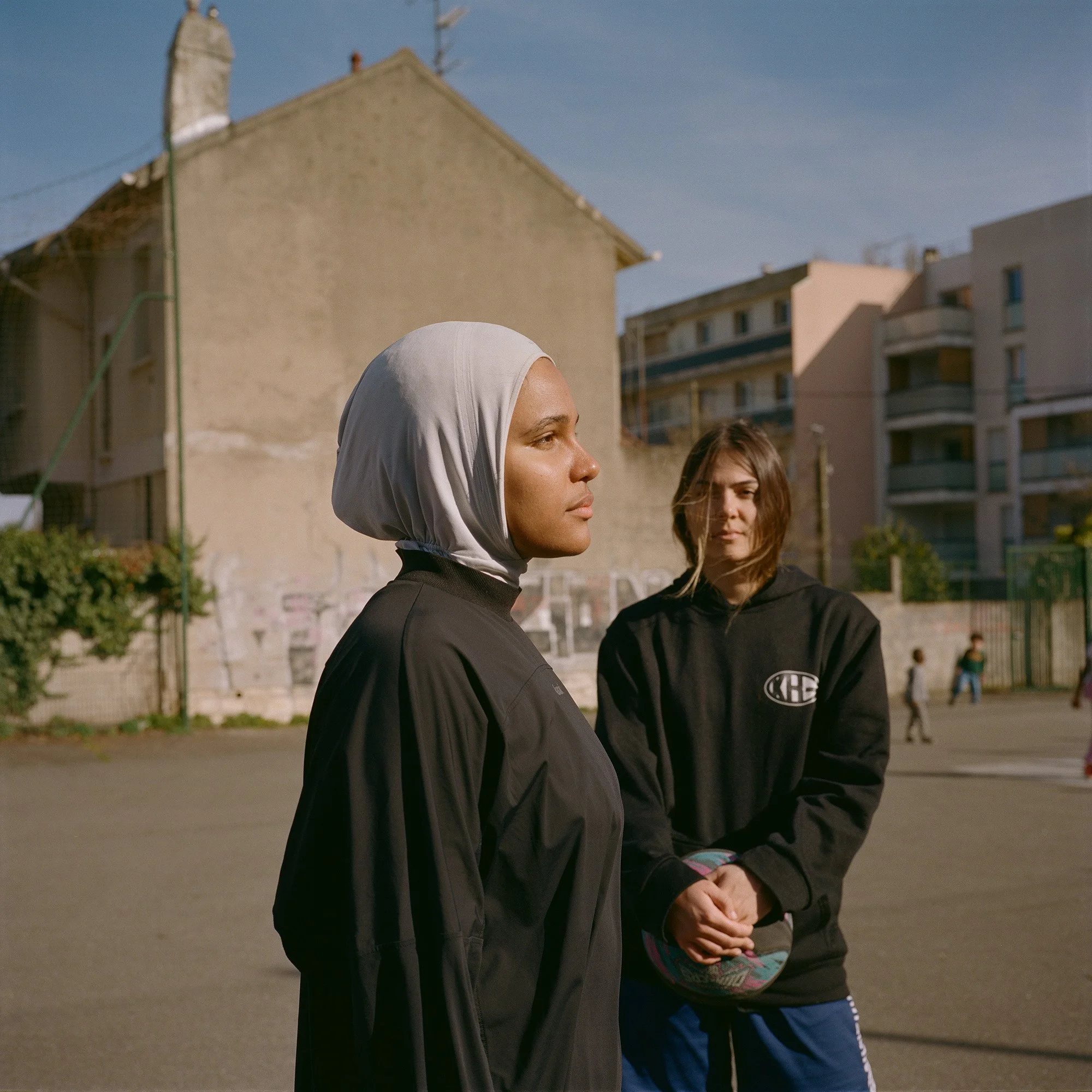
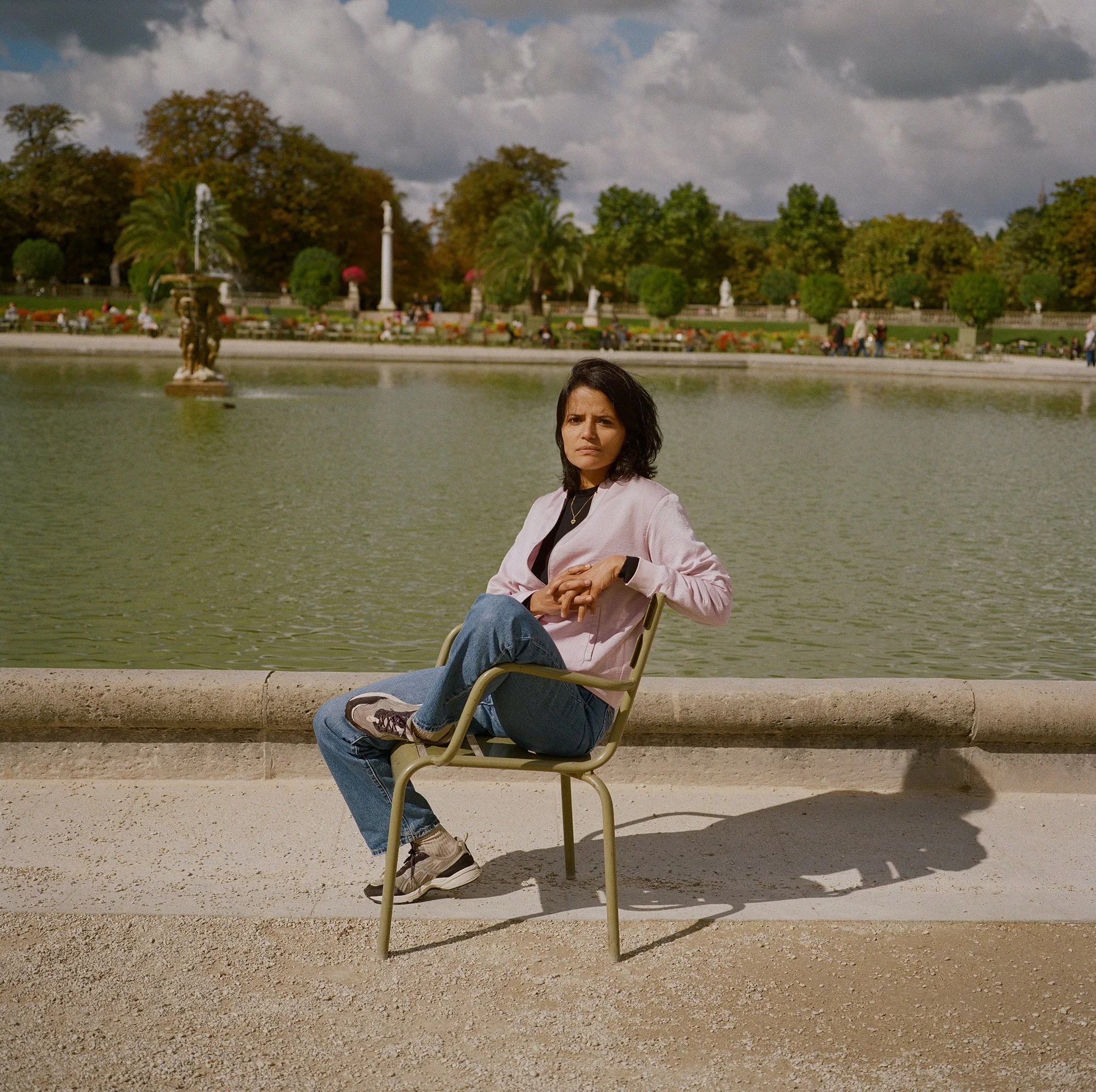
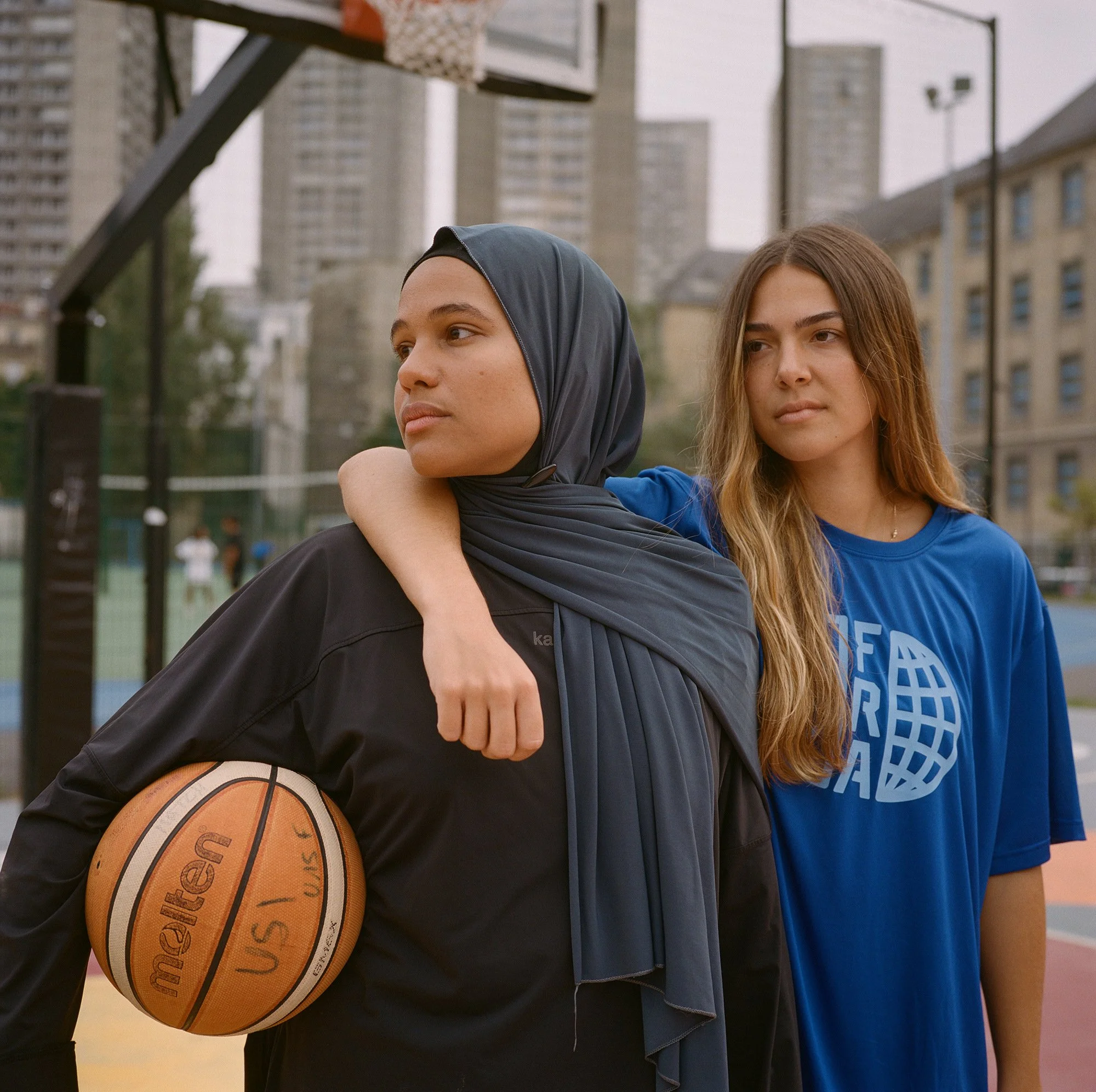
From left to right: Diaba Konaté, Assia Verhoeven, Hélène Bâ and Léna Villatte. They are all part of the collective Basket Pour Toutes, cofounded by Hélène, which fights against the hijab ban in French basketball. This ban excluded visible Muslim women from practicing their sport. Léna joined the collective out of solidarity after seeing that her team mate couldn’t play anymore.
In France, hijab ban in basketball is part of a backlash against visible Muslim women.
The right to practice a sport is a fundamental right, and yet on February 18, 2025, the Senate adopted a bill aimed at ‘ensuring the principle of secularism in sports in France’. This article will exclude women wearing a headscarf from practicing a sport. This is already the case in basketball, football and volleyball.
Already, in December 2022, the French Basketball Federation (FFBB) had unexpectedly introduced article 9.3., which prohibits "the wearing of any religious or political symbols" across all age categories and levels. The collective Basket Pour Toutes (BPT), composed of players, coaches, club presidents, and human rights advocates, was founded in the Paris region in 2023 in response to this law and the discrimination it entails. The FFBB has excluded hijab-wearing women from this sport but has refused to meet with them.
Johanna Wagman, Amnesty France's Advocacy Officer for Racial and Religious Discrimination, expressed her concern as this is part of a global backlash against women's rights.
‘In reality, when society forces a woman to do or not to do something, we're entering into gender-based violence. It's very hard to see
how these restrictions are going to promote women's rights.’
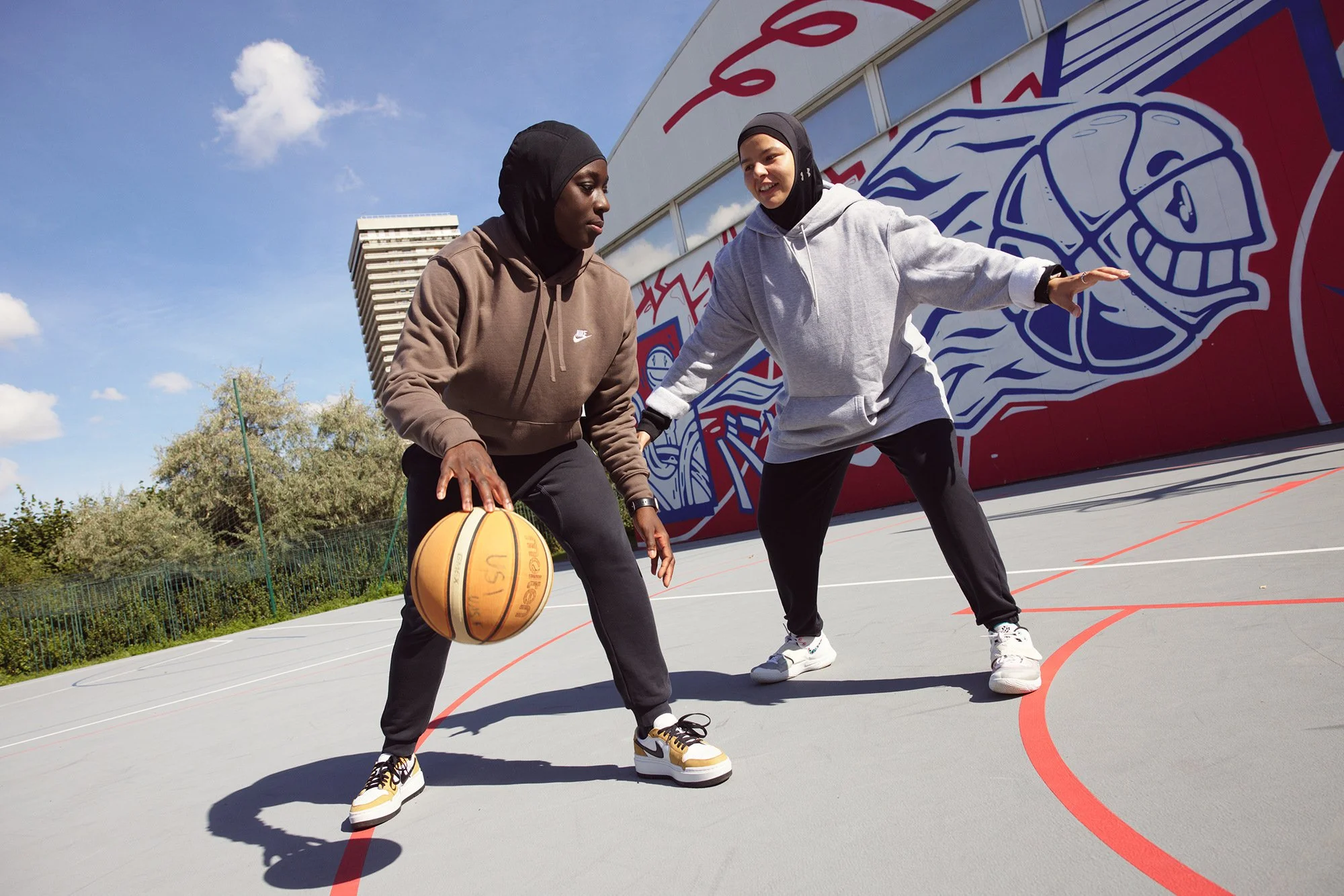
Diaba and Assia playing on a public basketball court in Paris, one of the only places where they are still allowed to play. Since choosing to be visible Muslim women, their rights are becoming increasingly restricted in every aspect of their lives. Whether it's work, sports, or even a simple outing, they constantly have to check if 'they have the right to be there.' This gradual and ongoing ostracism places these women in a corner of their lives and their potential.
Haïfa Tlili, a former sports educator turned sociologist, and cofounder of the collective, explains that girls from suburbs and neighborhoods often lack access to sports, which is crucial for their mental health, and that excluding them is dramatic.
"By excluding them from sports, we lose the opportunity to create role models for other girls."

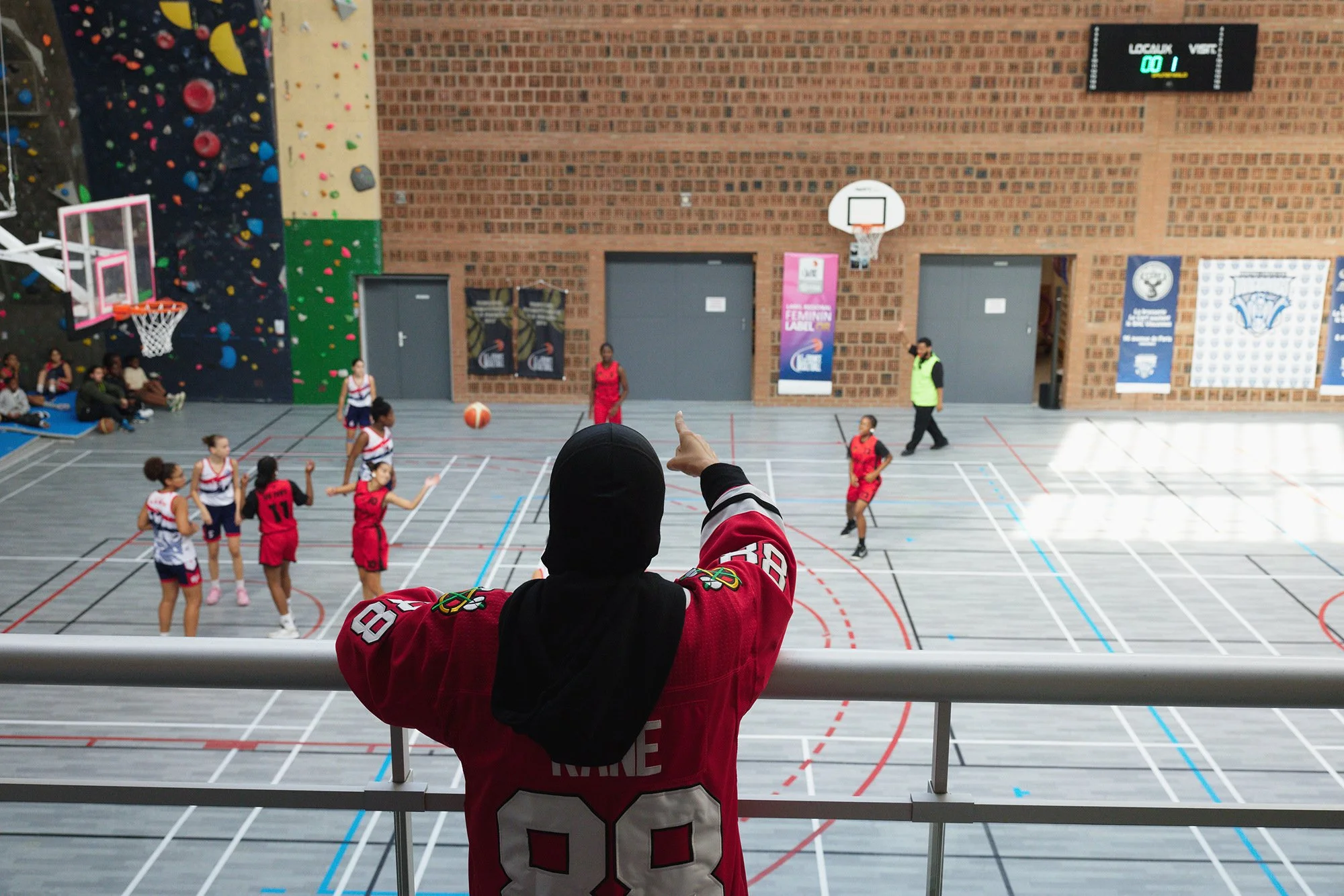
Assia is a basketball player and a coach. Since the introduction of article 9.3, she is no longer allowed to coach from the bench and coaches her team from the stands, which has led to some issues with the federation.
The only time during competitions when Assia can be with her players without being bothered is in the locker’s room.
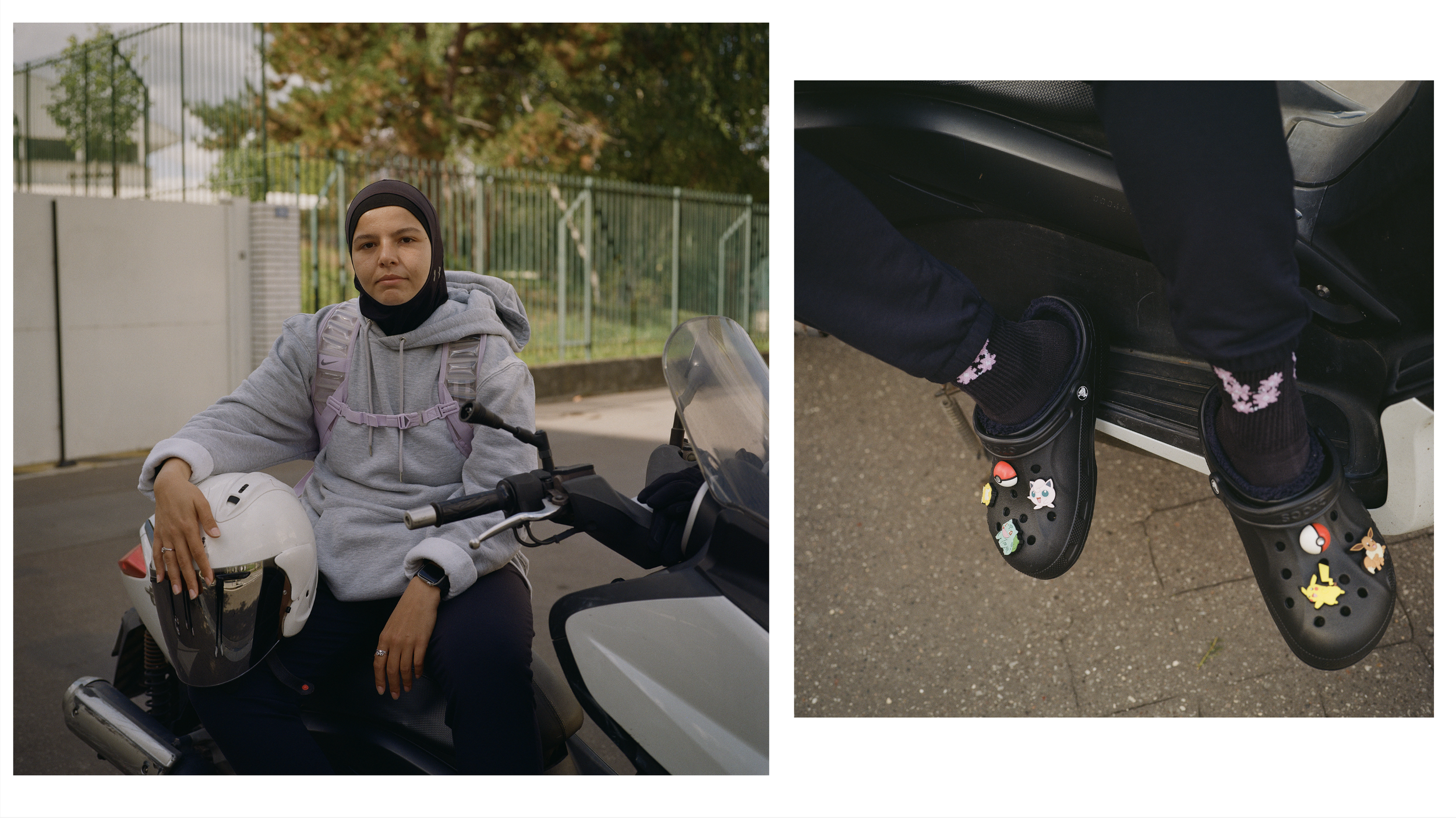
Assia recalls with bitterness the constant injunctions to remove her headscarf, to make 'exceptions'.
She's tired of facing these inappropriate questions about the garment she's chosen to wear.
‘I don't want to take off my headscarf. It protects me. When I take off my hijab, I feel naked. It bothers me.' Assia
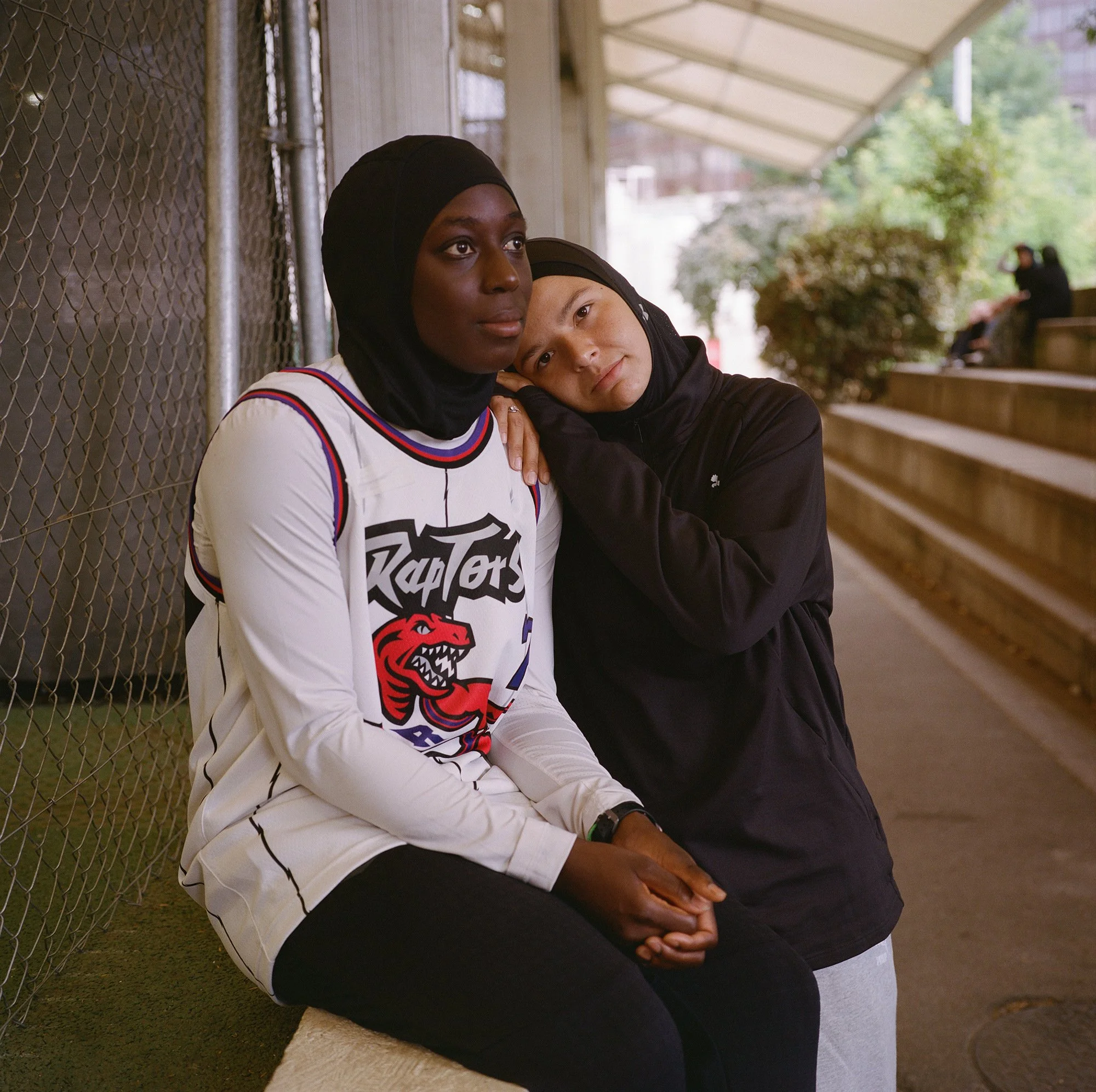
‘I have no choice but to fight against this ban : it affects me, but it also impacts future generations.
Today, in our community, we don’t necessarily have representation. And I think that’s incredibly important.
There is talent among us, whether in men or women. But the problem is that we can’t showcase that talent while wearing the hijab. We feel like we’re being pushed out of society. When, once again, we just want to play basketball. We don’t want to bother anyone. Our hijab doesn’t bother anyone. I played three years in the US with the hijab. I’m lost right now.’
Diaba Konaté
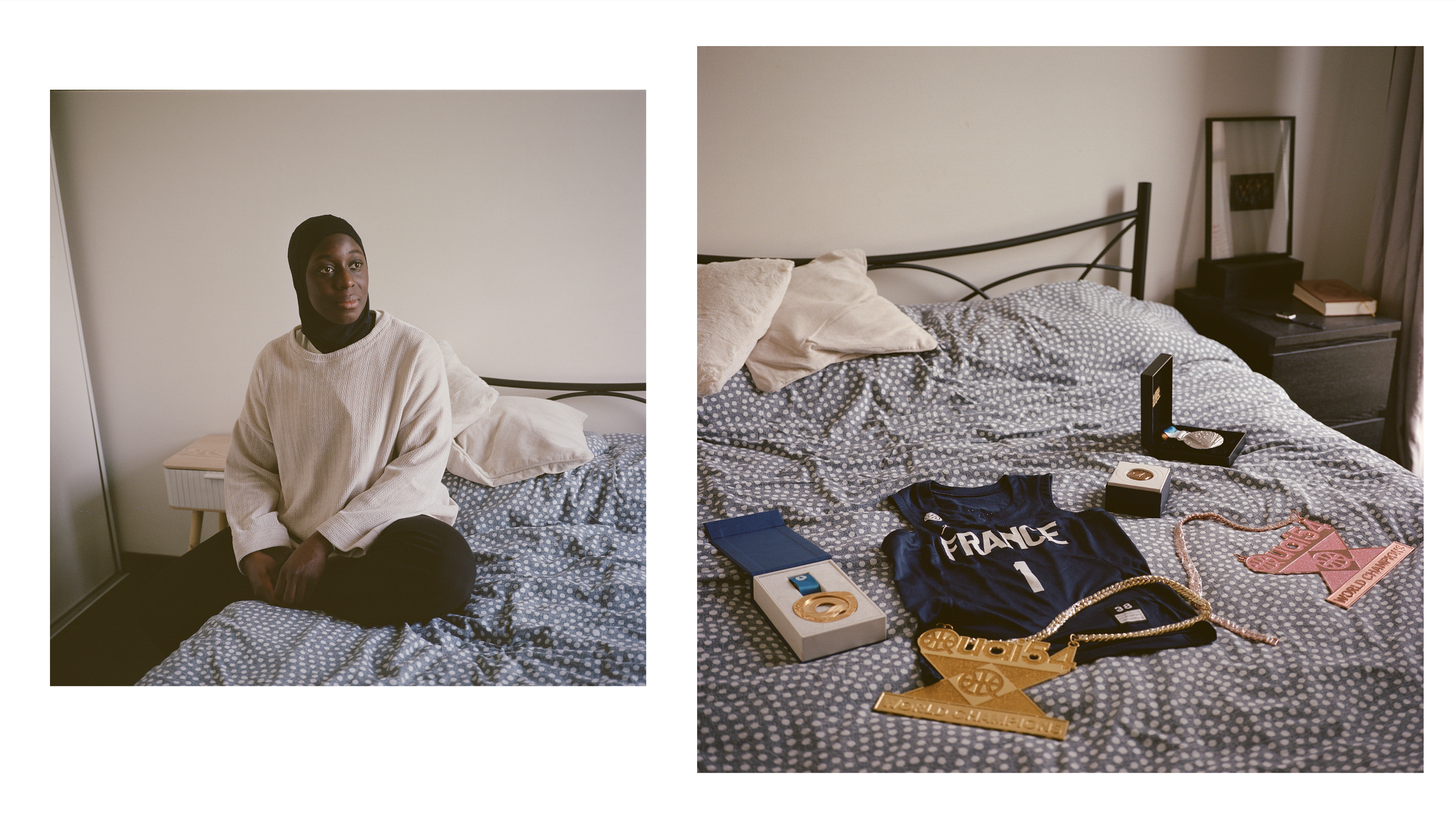
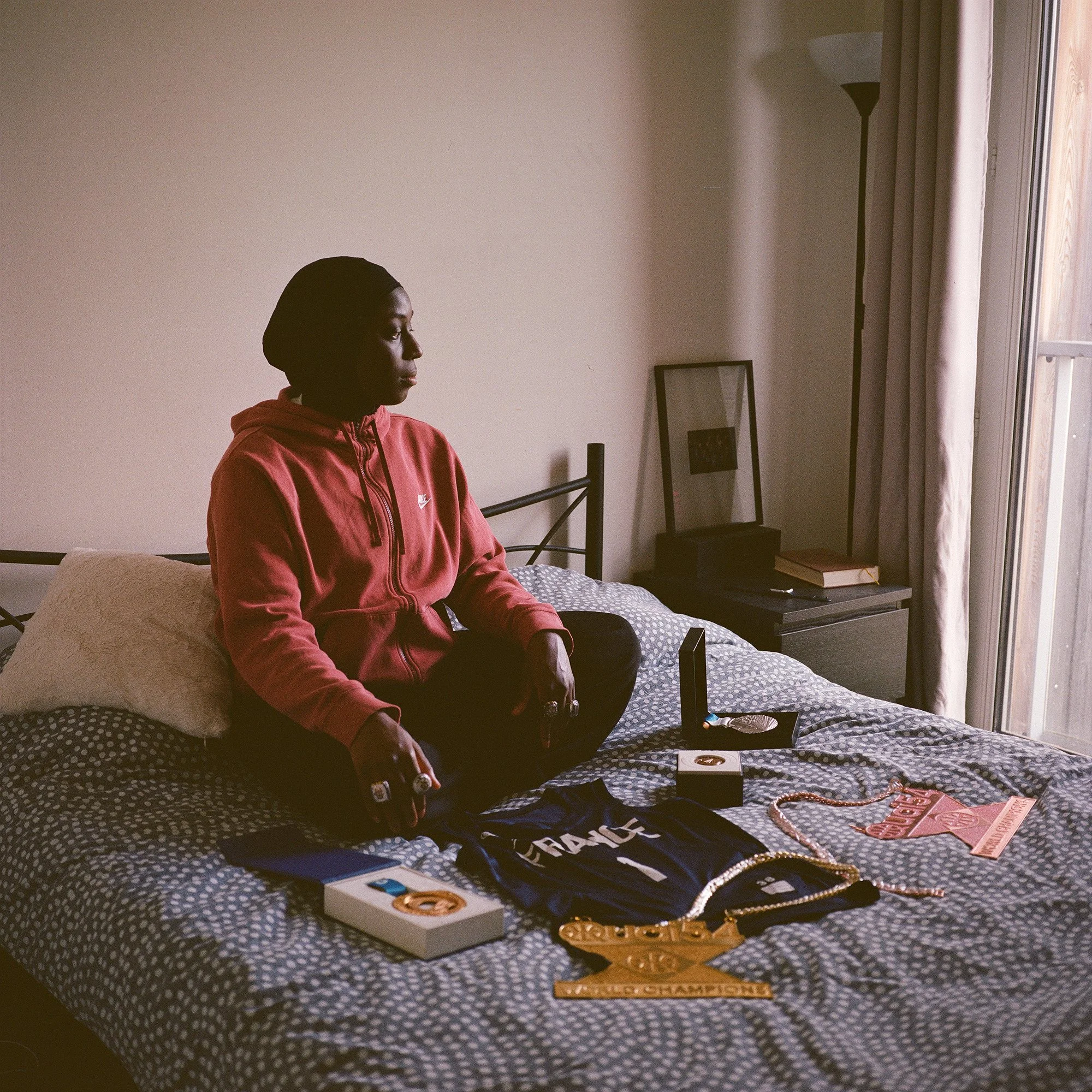
The medals are spread out on the bed, alongside the French national team jersey that Diaba can no longer wear. The other medals are with her mother.
She recently received the medal from the city of Paris. It’s a strange feeling, she sighs, to be both celebrated and rejected.
Since then, Diaba had a baby and moved to Italy to be able to play. She had to sacrifice her family life in order to be able to play. Her husband still lives in France where he works for now.
"I think
discrimination and
exclusion create
relentless activists."
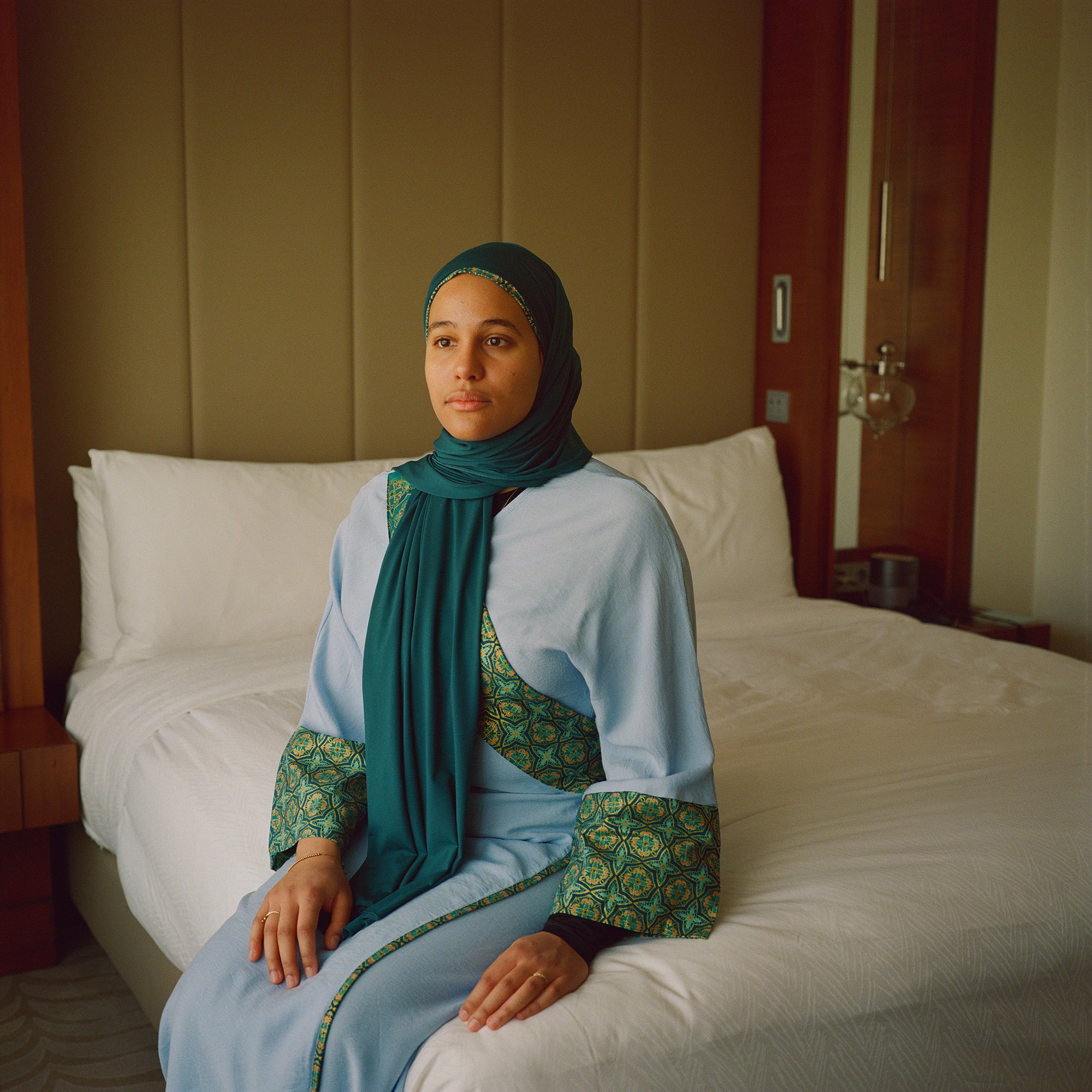
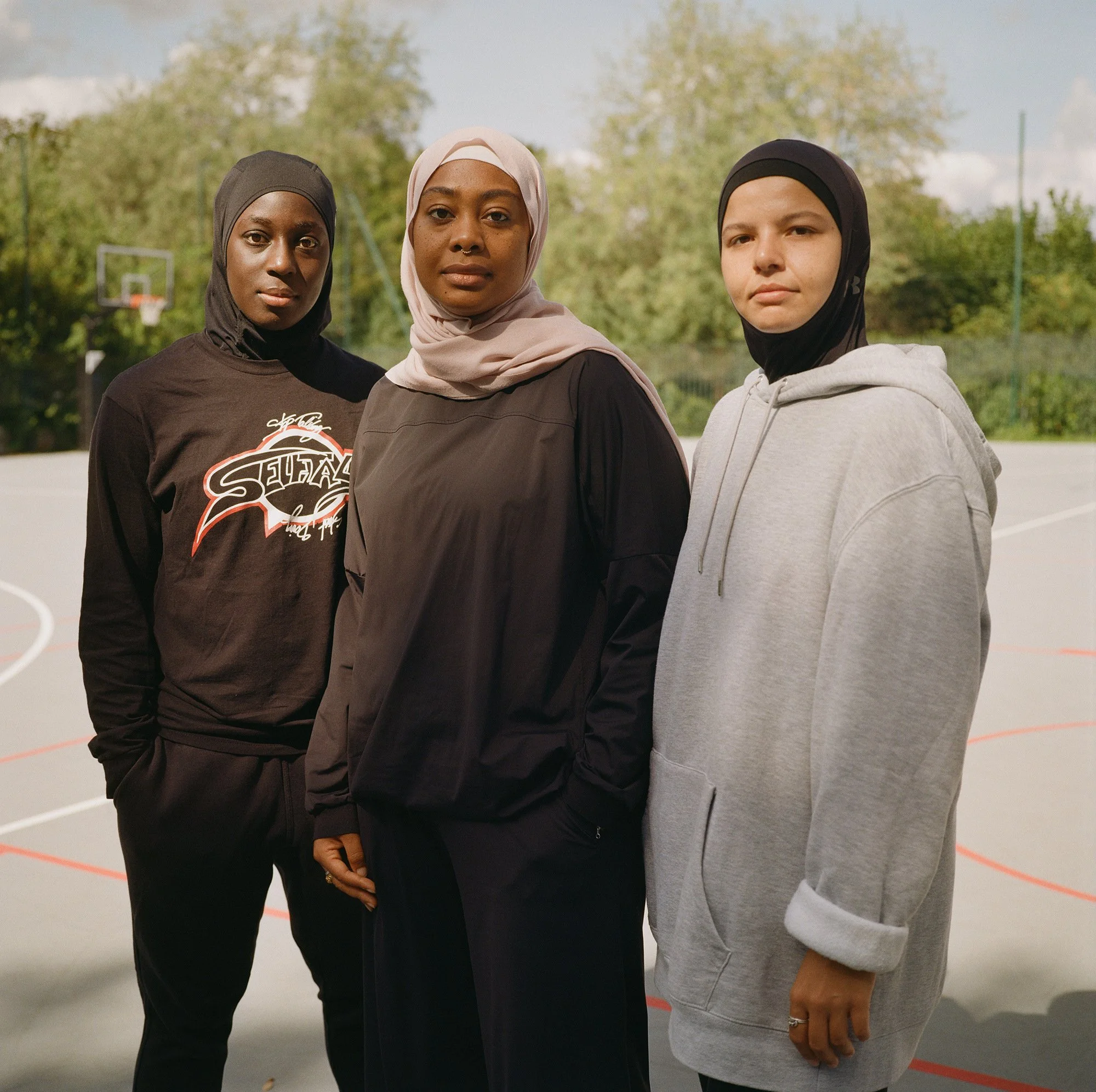
Hélène Bâ ( left), cofounder of the collective Basket Pour Toutes.